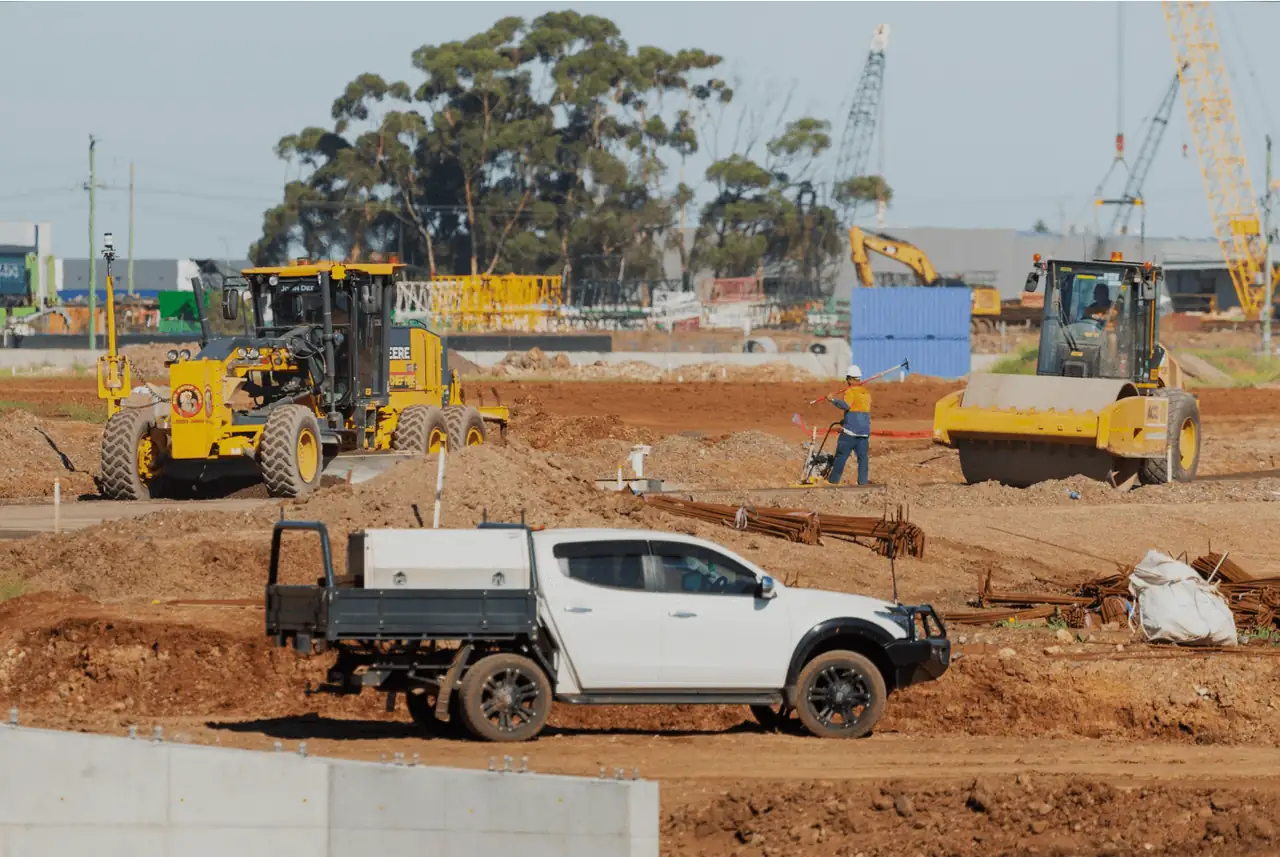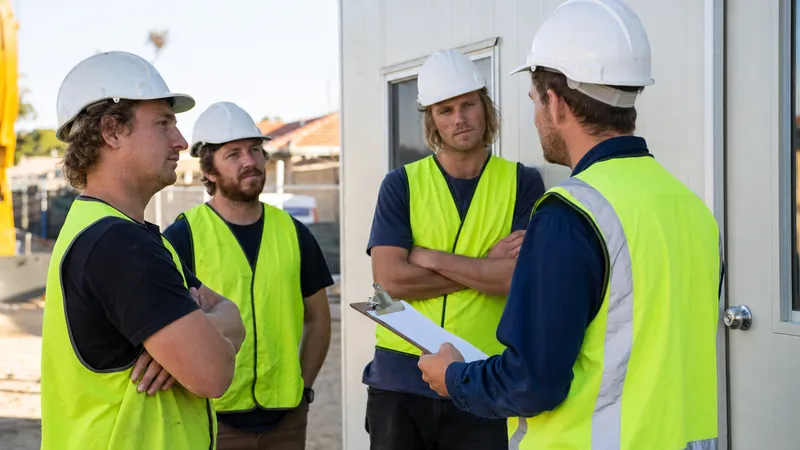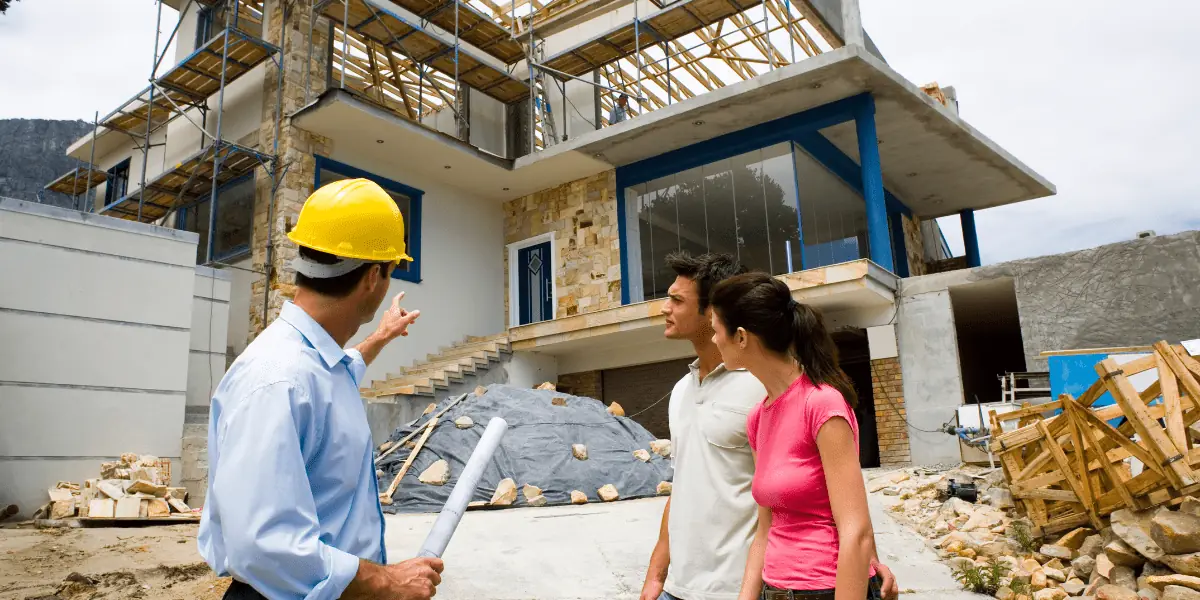

Contractors in construction, mining and engineering work on other people's sites, with expensive gear, next to the public and other trades. When something goes wrong, the claim lands on the contractor, and most head contractors won't let you on site without proof of cover.
What Is Contractor Insurance?
Contractor insurance is the group of policies a contractor needs to work on someone else's job. It isn't one policy. It usually means public liability, workers compensation if you employ staff, cover for your tools and plant, and sometimes professional indemnity and contract works insurance.
Which of these you need depends on your trade, whether you employ people, the gear you own and what your contracts ask for.
The Covers Contractors Usually Need
Public Liability Insurance
Public liability insurance pays when your work injures someone else or damages their property. It covers the compensation, their medical costs and the legal costs of defending the claim. Most sites and councils ask for $10 million or $20 million before you start.
Workers Compensation
If you employ staff, workers compensation is required by law in every state and territory. It pays wages, medical bills and rehab when one of your workers is hurt or made ill by their job.
Tools, Plant And Equipment Cover
Plant and equipment insurance pays to repair or replace your machines and gear when they are damaged, stolen or break down, including hired and leased gear. Plant means mobile machinery such as hoists and forklifts.
Professional Indemnity Insurance
If you design, plan or advise, professional indemnity insurance pays when a client says your advice or design was wrong and it cost them money. It covers your legal defence and any compensation you owe.
Contract Works Insurance
Contract works insurance, also known as contractors all risk insurance, covers the job itself while it is being built: the works, the materials on site and, depending on the policy, temporary structures like scaffolding. The head contract, the main agreement between the owner and the builder, often makes it a condition of starting work.
Why Contractor Insurance Is Essential In High Risk Work
Claims In High Risk Work Are Bigger
A dropped tool on a busy street, a fall from height or a fire on a mine site can mean a large injury or damage claim. Without cover, the compensation and the legal costs come out of your business.
Your Contracts Ask For It
Head contractors, councils and site owners usually name the covers and limits you must hold before you start. If your policy doesn't match the contract, you may not get on site, or a claim may not be paid.
Your Gear Is Expensive And Often Left On Site
Theft or damage to tools and plant can stop a job. Cover pays to repair or replace them so you can get back to work.
Some Cover Is The Law
Workers compensation is compulsory for employers in every state and territory, and each state runs its own scheme.
Talk to a broker about public liability insurance.
1300 477 662Contractors We Insure
We work with high risk trades: scaffolding, labour hire and security businesses, from start-ups to operators working across several states. That includes industrial and scaffolding subcontractors, businesses that bring in temporary staff and, for labour hire, the ABN contractors you place.
How to Choose the Right Contractor Insurance Policy
- Start from your contracts. Find the insurance clause and note every cover and limit it names.
- Count your people. If you employ staff, you need workers compensation in each state you work in.
- List your gear, including anything you hire or lease, and where it is kept overnight.
- Tell your broker about every kind of work you do, including anything new.
- Check what is excluded before you sign, not after a claim.
What An Underwriter Looks At
The underwriter is the person at the insurer who decides whether to take on your risk and at what price. They look at your wages, your contracts, your main clients, your claims over the last five years and any new work you're taking on. Read what sets the cost of insurance for how that moves your premium.
Final Thoughts
Tell us your trade, your contracts, your team and your gear. We will set up contractor insurance that gets you on site and pays when something goes wrong. For a project, read who covers what on a construction project.