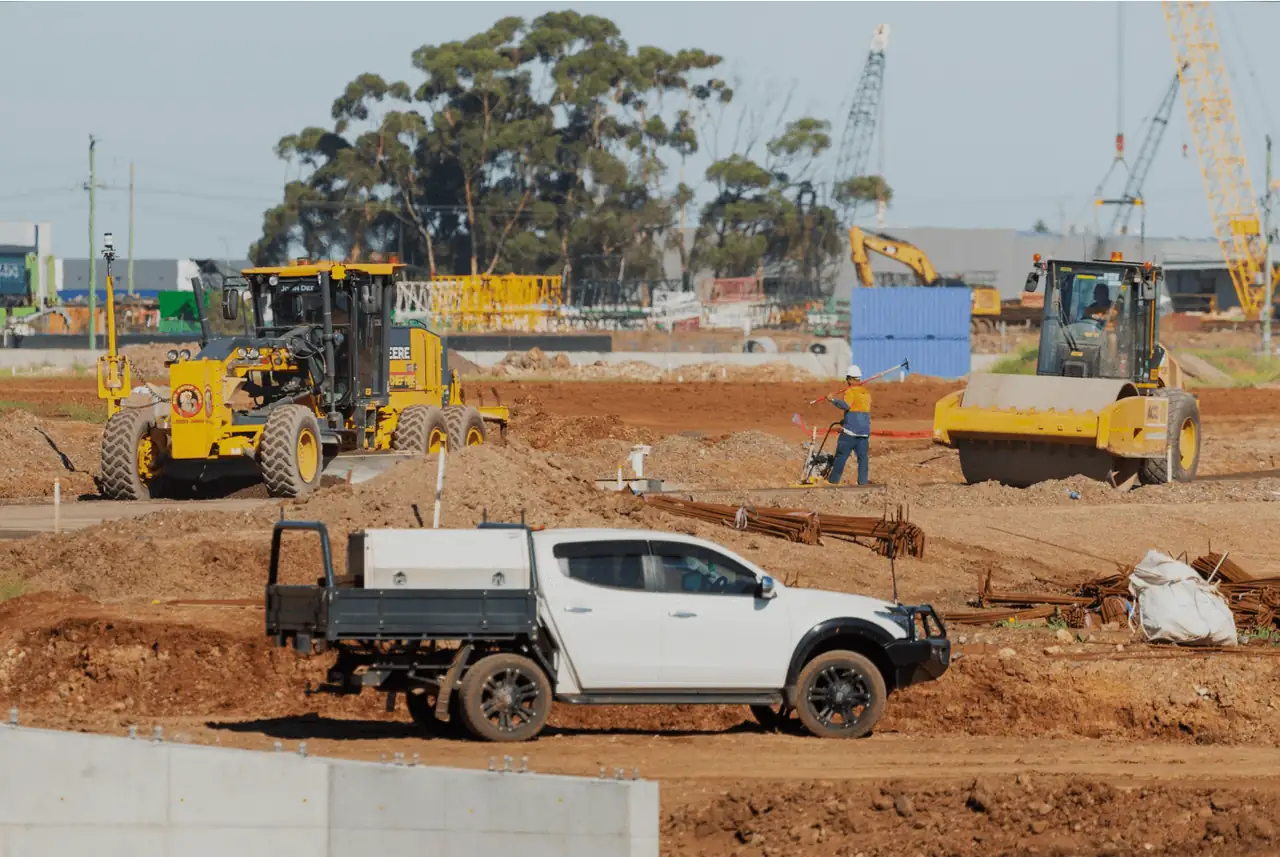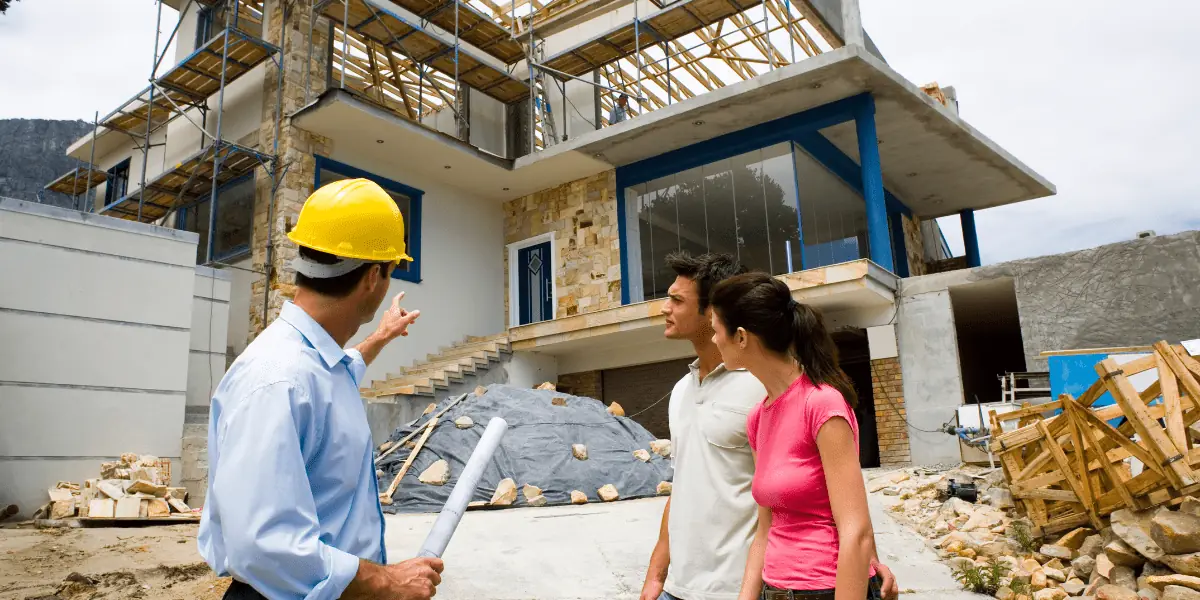

On a construction project, a loss can stop the job, and the question that holds things up longest is often whose insurance pays. Knowing which policy covers what, and who on the project holds it, is what keeps a job moving after something goes wrong.
What Is Construction Insurance?
Construction insurance is the group of policies that covers a building project and the businesses working on it. It isn't one policy. Different parties hold different covers, and the head contract, the main agreement between the owner and the builder, usually sets out who holds what.
Who Covers What On A Construction Project
The Job Itself: Contract Works Insurance
Contract works insurance, also called contractors all risk, covers loss or damage to the works and the materials on site until handover. Depending on the policy, it can include temporary structures like scaffolding. You can insure one project, or a steady run of jobs on an annual policy.
Damage Or Injury To Others: Public Liability
Each business on site usually holds its own public liability insurance for injury or damage its work causes to other people. Most sites and councils ask for $10 million or $20 million.
Your Own Workers: Workers Compensation
Every employer on the job must hold workers compensation for its own people, under the scheme in the state where they work.
Gear And Machines: Plant And Equipment
Plant and equipment insurance covers owned, leased or hired gear, from scaffold tubes and couplers to hoists and vehicles, on site, in storage and in transit.
Design And Advice: Professional Indemnity
If you design scaffolds, plan layouts or give engineering advice, professional indemnity insurance covers claims from a design error or a wrong calculation.
Talk to a broker about contract works insurance.
1300 477 662How The Right Cover Stops A Delay Becoming A Dispute
- When the job is damaged, contract works insurance pays to repair it, so work can restart without arguing over who pays.
- When gear is stolen, plant and equipment cover pays to replace it.
- When someone is hurt, workers compensation and public liability deal with the claim while the job goes on.
- When fire, storm damage or theft stops your business working, business interruption insurance pays the income you lose.
Trades We Insure On Construction Sites
- Scaffolding: commercial, residential, industrial, mine and marine, and event scaffolding, with no height restrictions.
- Labour hire: agencies supplying workers to builders and site contractors.
- Security: guards and patrols protecting sites, gear and materials.
What To Check Before A Project Starts
Start before you win the job. As our broker Paul Cohalan puts it: “Businesses need to understand their contractual obligations from when they originally tender, when there will be an initial contract and scope of works. If they involve their insurance broker early on, we can review and look at potential exposures that are unique to them.”
- Read the insurance clause in the head contract or your subcontract, and note every cover and limit it names.
- Find out whether the project's contract works policy includes your scaffolding and gear, or whether you need your own cover.
- Make sure your public liability limit matches the contract.
- Check your workers compensation covers the state the job is in.
- Tell your broker about the project before you start, not after a claim.
Final Thoughts
Send us the insurance clause from your contract. We will tell you which covers you need to hold, which the project should hold, and where the gaps are. If you work as a contractor, read why contractor insurance is essential.